Senior Living: Your Path to Ease and Community
Senior living communities deliver essential assistance for older adults, crafting environments that cultivate both comfort and connection. These communities feature diverse options tailored to varying needs, from independent living to specialized care. Residents receive structured services and engaging activities that enhance well-being. Still, choosing the right community can be challenging. Understanding the various types and benefits accessible is vital for making an informed decision. What factors should one consider in this important change?
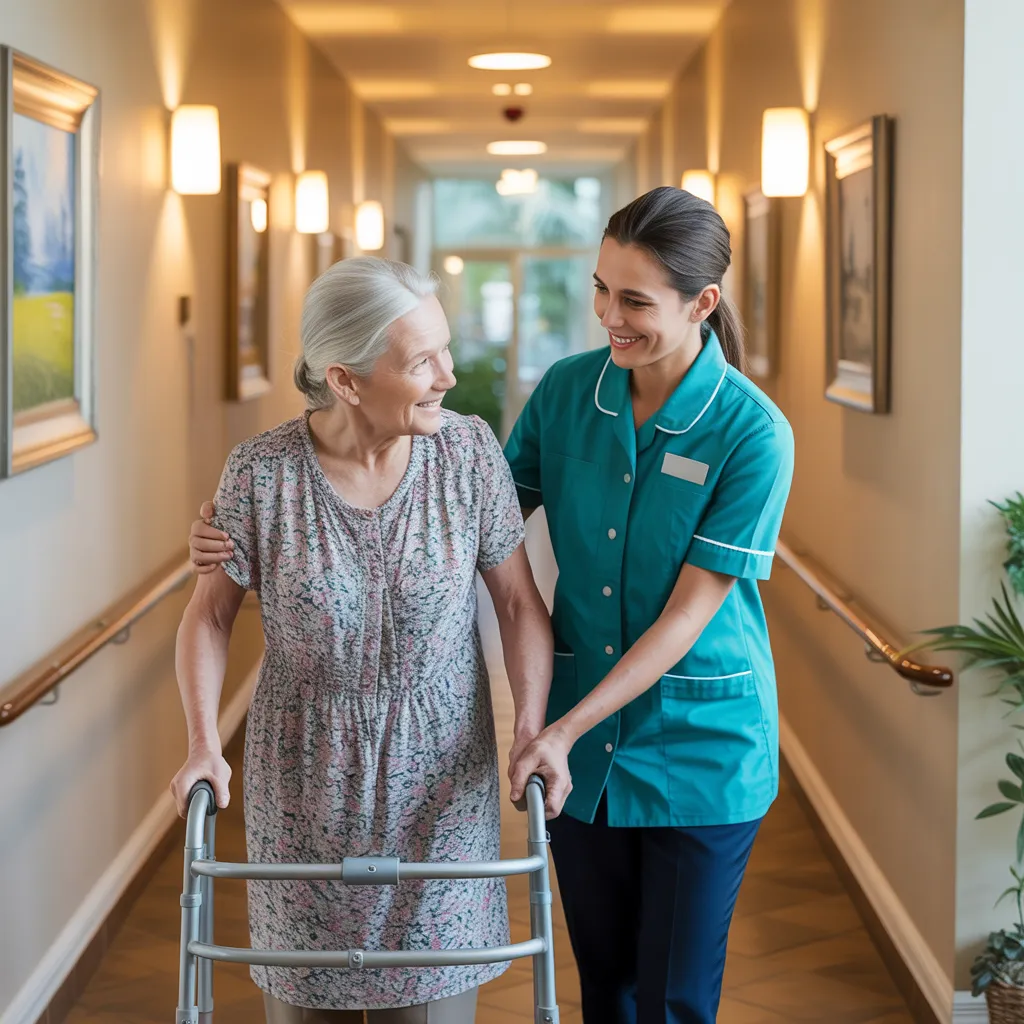
Reasons to pick Senior Living Communities
Opting for elder care residences can substantially enhance the quality of life for older adults, especially as they desire companionship and support. Such communities provide a stable environment that supports social interaction, reducing feelings of loneliness and isolation. Residents can participate in various activities, from fitness classes to cultural events, promoting physical and mental well-being.
Moreover, senior living facilities often offer essential services such as meal preparation, housekeeping, and healthcare assistance, allowing residents to focus on enjoying their lives rather than managing daily chores. Safety is another vital factor; these communities typically feature secure environments and staff available to address emergencies.
Additionally, the feeling of connection found in these communities can significantly improve emotional health. By living among peers who share similar experiences and interests, older adults can cultivate meaningful relationships, enhancing their overall happiness and life satisfaction.
What are diverse forms of Senior Living?
Within the realm of senior living, several options meet the diverse needs of older adults. Independent living offers a vibrant, self-sufficient lifestyle, while assisted living extends support for those who need extra aid with daily activities. Grasping these distinctions is essential for making informed choices about senior care.
Autonomous Living Options
Many seniors seek to preserve their independence, and a selection of living options are accessible to meet their lifestyle needs. Independent living communities provide seniors a opportunity to live autonomously within a social setting. These communities usually offer amenities such as leisure activities, dining services, and housekeeping, fostering a sense of community while enabling residents to maintain their personal freedom. Another choice includes senior apartments, which emphasize providing elder-friendly features without large-scale communal services. Moreover, co-housing setups allow seniors to share living spaces and responsibilities, encouraging camaraderie. Each option caters to different preferences and financial situations, allowing seniors to select the best option for their desired independence and participation.
Supported Living Kinds
Assisted living options address seniors who require various levels of support while still retaining their independence. These establishments generally offer a variety of services to cater to diverse needs. For instance, personal care homes provide basic support with daily activities like bathing and dressing. Memory care units focus on assisting individuals with Alzheimer’s or other dementia forms, ensuring a safe environment adapted to cognitive needs. Adult day care centers offer temporary supervision and socialization during the day, allowing caregivers respite. Finally, residential care communities merge housing with tailored services, building a sense of community. Each kind of assisted living aims to enhance quality of life while encouraging autonomy and dignity for seniors.
Top five Benefits of Senior Living Communities
Selecting a retirement facility can considerably boost the standard of living for older adults, as these environments are crafted to foster social connections and provide essential support. One key benefit is the community spirit, which helps reduce social isolation. Residents take part in various social activities, supporting friendships and shared experiences.
An additional benefit is access to personalized care, ensuring check now that individuals get the support they need while maintaining independence. Moreover, many senior living communities provide amenities such as fitness programs and wellness activities that support a healthy lifestyle.
Safety is also a main concern, including features such as crisis assistance systems and safe surroundings. In the end, living without upkeep responsibilities enables residents to enjoy their time free from the burdens of home upkeep. As a whole, these advantages support a fulfilling and enriching lifestyle, making senior living communities an appealing option for seniors.
A Guide to Choosing the Right Senior Living Community
How can someone find the best senior living community for themselves or a loved one? The first step is to evaluate individual needs, including health care requirements, mobility, and personal preferences. It is vital to evaluate the types of services offered, such as assistance with daily activities, medical support, and transportation.
The location also holds a key position; proximity to family, friends, and essential amenities can boost daily living. Visiting potential communities offers personal experience of the environment, staff interactions, and available facilities.
Budget considerations are key, since prices vary widely across communities. Being aware of what is accounted for in the fees can prevent unexpected expenses.
Lastly, obtaining recommendations from medical specialists or dependable friends can offer important insights. By taking these factors into account, one can make an wise decision that fits their daily life and needs, ensuring a comfortable and supportive living arrangement.
Exciting Community Opportunities for Senior Living
In senior living communities, chances for social interaction play an crucial role in improving residents' quality of life. Activities designed for wellness and fitness not only promote good health but also encourage connections among residents. Together, these factors create a lively atmosphere that encourages engagement and community bonding.
Social Interaction Opportunities
A vibrant array of community interaction opportunities enhances the lives of seniors in senior living settings. These activities build relationships, permitting residents to develop social ties and share experiences. Regular events, including special dinners, gaming sessions, and art classes, provide settings for interaction, aimed at reducing states of loneliness. Group visits to local points of interest motivate exploration and delight of the nearby neighborhood. Volunteer initiatives also enable seniors by enabling them to share their time and talents, fostering a feeling of value. Additionally, clubs focused on hobbies like gardening or literature circles allow residents to engage based on shared passions. Through these diverse offerings, seniors enjoy improved emotional well-being and a boosted sense of community within their residence.
Wellness and Fitness Programs
A wide range of health and fitness programs play an essential role in strengthening the health and energy of seniors in community living. These programs are designed to suit different fitness levels, making certain that all residents can participate. Activities including yoga, water aerobics, and gentle strength training promote physical health while also boosting flexibility and balance. Many communities host group classes, fostering social interaction and camaraderie among participants. Additionally, wellness initiatives often provide educational workshops on nutrition and mental health, enabling seniors to make informed lifestyle choices. By giving priority to both physical fitness and overall well-being, these programs help create a vibrant and engaged community, ultimately enhancing the quality of life for seniors living in these environments.
Ways to move comfortably to Senior Living
How does one handle the often emotional journey of moving to senior living? Transitioning to a new environment can be challenging, but planning and support can help the process. First, it is crucial to visit potential communities, which lets individuals visualize their new home and assess the amenities available. Bringing family members into discussions can build emotional support and help lessen anxieties.
Next, minimizing belongings is necessary. Sorting through possessions can be a cathartic experience, allowing individuals to keep cherished items while shedding excess. Including friends or family in this process can make it more convenient.
Establishing a routine in the new community can also aid in adjustment. Participating in social activities and exploring wellness programs can build connections and create a sense of belonging. Ultimately, embracing the change with an welcoming attitude can lead to a satisfying and energized life in senior living.
Frequently Queried Questions
Understanding the Average Expense of Elderly Housing Communities
The normal price of senior living communities usually spans from $2,000 to $6,000 per month, fluctuating significantly based on area, amenities, and the level of care provided, making budgeting important for prospective residents and their families.
How can I organize moving possessions to a Senior Living Community?
To handle moving belongings to a senior living community, one should develop a detailed inventory, sort items by importance, seek assistance from family or professionals, and contemplate downsizing to match the new space effectively.
Can Family Individuals Visit Residents in Elderly Living Facilities?
Yes, relatives may check in on residents in senior living communities. Many facilities support these visits to aid residents' emotional well-being, often providing reserved visiting hours and spaces to promote meaningful interactions between residents and their loved ones.
Are pets allowed in elderly living facilities?
Many retirement communities do permit pets, encouraging companionship and emotional support. That said, particular policies on kinds of pets, their sizes, and quantity differ, so future residents ought to check regulations before deciding.
What Protection Steps Are Applied in Place in Senior Living Facilities?
Senior living establishments usually adopt a range of safety protocols, such as emergency response systems, secure entry points, regular safety drills, accessible layouts for mobility, and trained staff available around the clock to ensure residents' well-being and security.